So on my daily readings from National Geographic, there was something I found really interesting that I would like to share with you, dear reader.
As many of us learned in elementary school, emperor penguins live in Antarctica. They survive in temperatures as low as –60°C (–75°F) and winds that can reach hurricane speeds of 125 mph. During the Antarctic winter, typically from May through August, the males remain behind with the eggs, balancing them carefully on their feet while the females travel to the sea to feed.
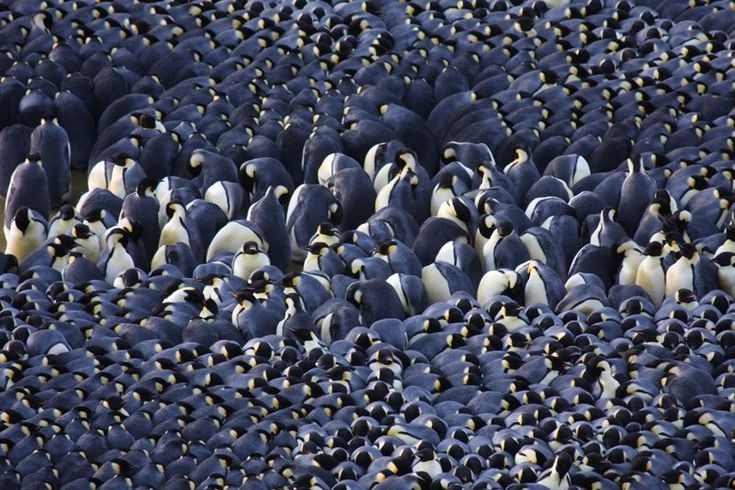
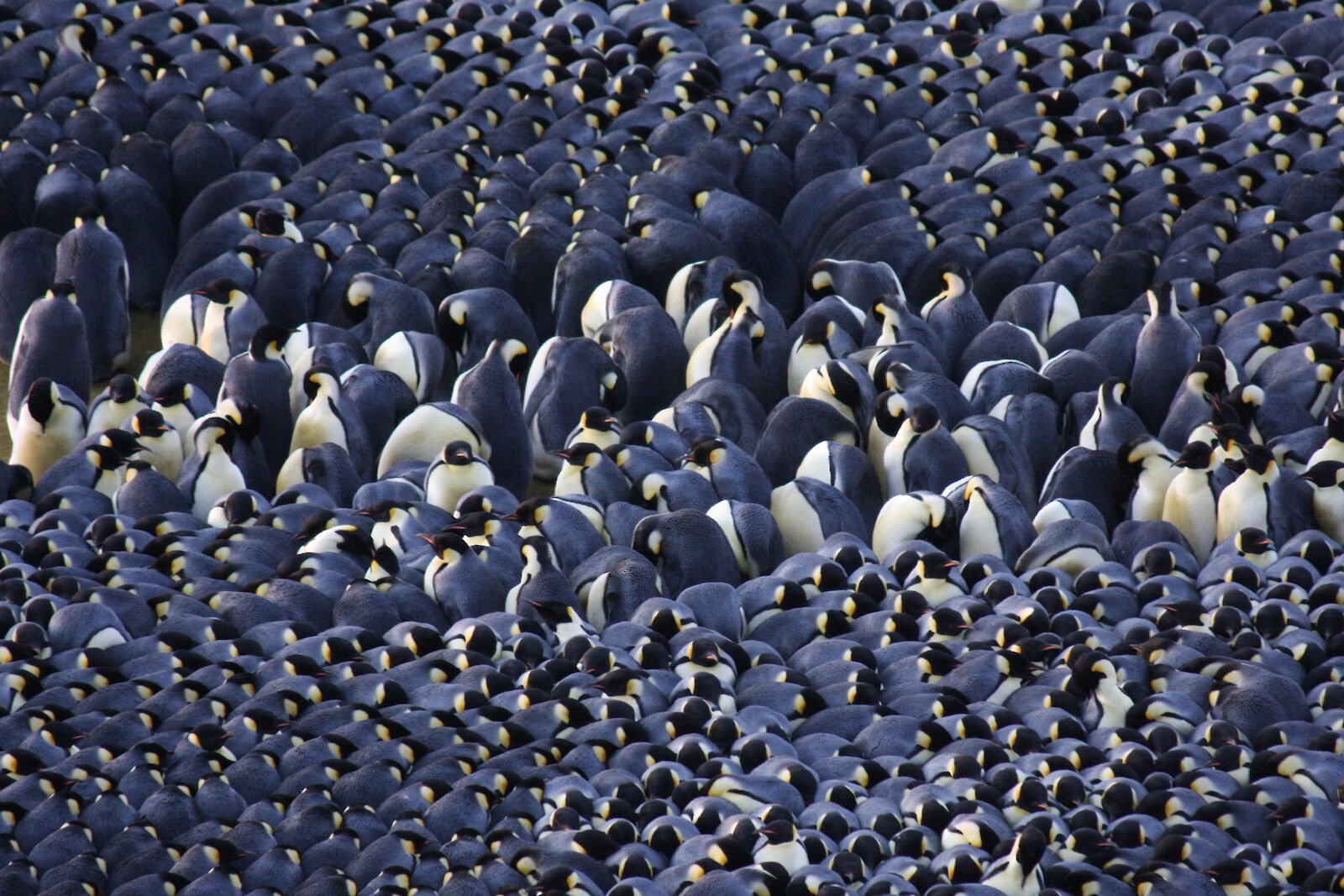
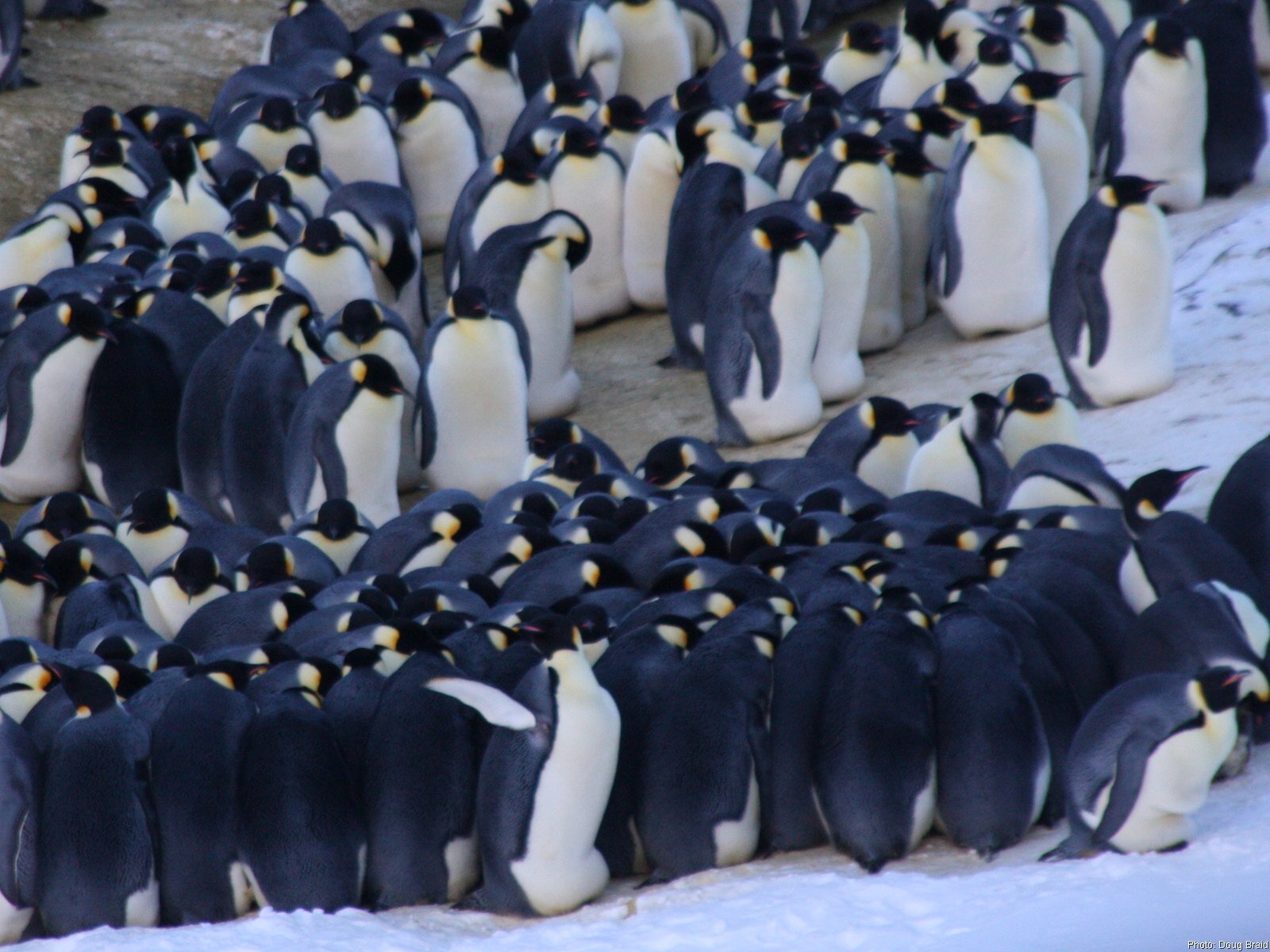
Surviving while caring for a developing chick isn’t easy, especially in a climate like this. To endure it, the males instinctively form a strategic penguin huddle. These huddles can include up to 4,000 penguins, all gathered together with the same purpose: to keep their eggs warm and protect themselves from the brutal cold and relentless storms.
What fascinated me most about these huddles is the quiet partnership happening inside them.
By sharing body heat, the penguins significantly reduce the energy each one needs to survive. In a season when they cannot hunt or feed, conserving energy becomes a matter of life or death.
But the most remarkable part is how they move.
Photo by Paul Carroll on Unsplash/ Unsplash
Every 30 to 60 seconds, the entire group takes tiny, synchronized steps. Penguins on the harsh, outer edge of the circle slowly move inward, while those who were once safe and warm in the center gradually shift outward. It looks almost like a slow-motion traffic jam. No single penguin stays in the freezing wind for too long. The burden is shared. The protection is shared.
Everyone takes a turn.
And as I read this, I couldn’t help but think about how much this resembles life.
In many ways, we are not so different from those penguins.
All of us are standing somewhere in life’s huddle. Some of us are currently on the outer edge, facing the strongest winds—grief, uncertainty, illness, doubt, loneliness, or burdens that feel heavier than we ever expected to carry. Others may find themselves, at least for the moment, closer to the center, where life feels a little steadier and the cold isn’t quite as sharp.
But just like the penguins, no one stays in one place forever.
Life moves. Circumstances shift. The ones who are warm today may face the wind tomorrow, and those who are struggling now will eventually find their way toward calmer air. None of us remain on the edge forever, and none of us stay in the center indefinitely.
That is why the huddle matters.
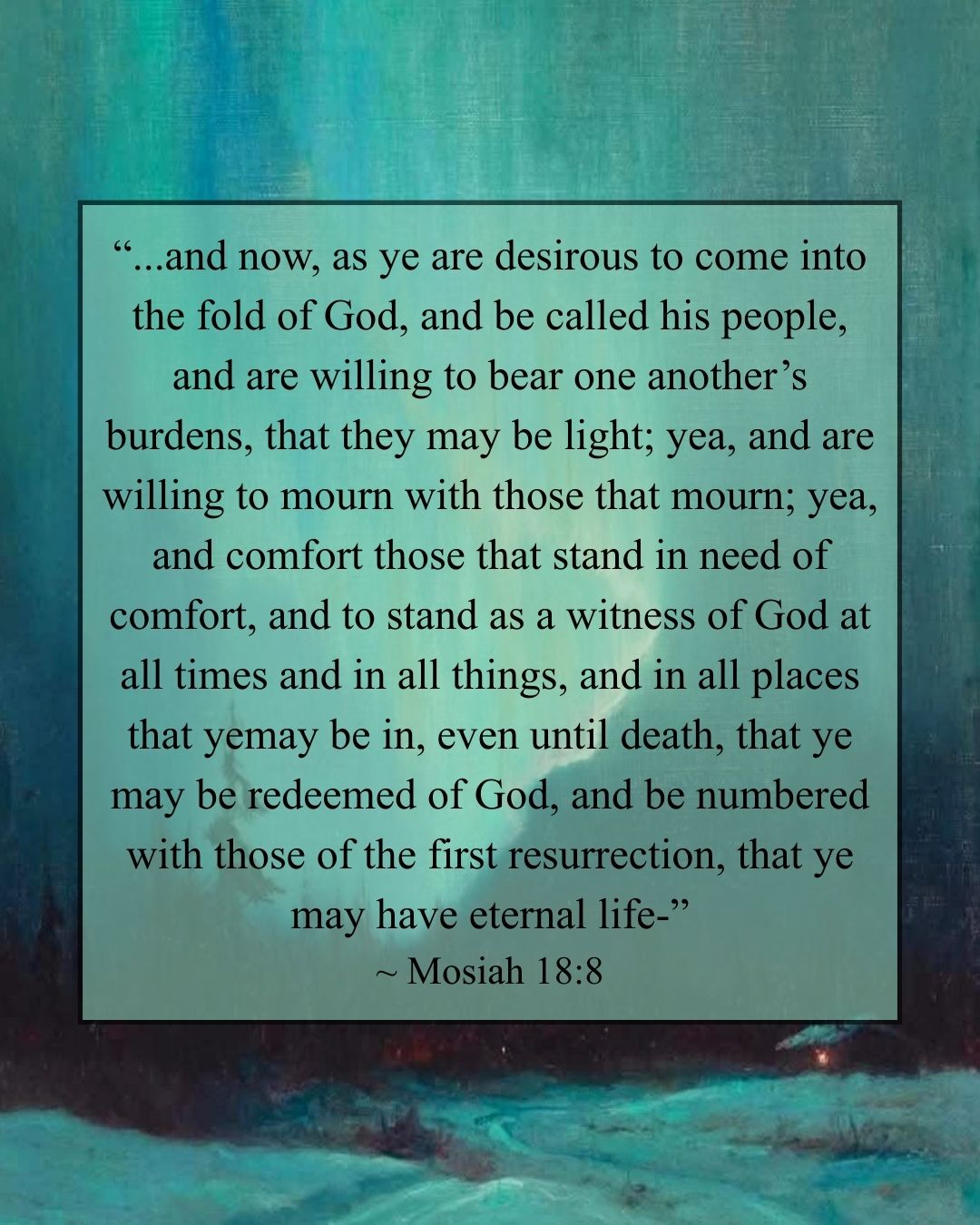
The beauty of it is not just survival, it’s shared survival. The penguins instinctively understand something that we sometimes forget, that endurance is easier when it is done together.
When someone is standing in the storm, they need warmth.
When someone is stronger, they can offer it.
Every person we pass in life is carrying something we may not see. Some burdens are visible, but many are hidden quietly beneath the surface. Yet all of us are moving forward with the same hope—to grow, to endure, and to become a little better with each passing day.
I think that might be a part of our purpose here.
To form our own kind of huddles.
To offer warmth when someone else is freezing in their storm.
To step forward when someone else needs rest.
To remember that everyone eventually rotates through the wind.
And perhaps most importantly to recognize that none of us were meant to survive life alone.
So wherever you find yourself today, whether you’re in the calm center or the biting outer edge, remember that the movement never stops.
The wind won’t last forever.
The huddle will shift.
And warmth will come again.